Internet Radio Station
Start an Internet Radio Station and Make Money in 2026: The Honest Guide to What It Costs, What It Earns, and How to Do Both Right
Two questions sit behind many searches about starting an internet radio station.
Can I actually do this?
And can it make money?
The answer to the first question is yes: launching an internet radio station is more accessible than many people expect.
The answer to the second question is more complicated.
An internet radio station can generate revenue, but income is not automatic, guaranteed, or immediate.
The stations that earn money usually do so because they build a defined audience, operate consistently, and deliberately develop revenue opportunities over time.
This guide explains what it takes to launch a station, what the main ongoing costs are, and the realistic ways an internet radio station can make money.
What Does It Cost to Start an Internet Radio Station?
Your startup cost depends heavily on what you already own.
You may already have a computer, headphones, and internet connection.
If so, your largest new expenses may simply be a microphone, any audio-routing equipment your setup requires, and your hosting plan.
Computer
You need a computer capable of running your broadcasting software reliably.
You do not necessarily need to buy a new machine.
If your current computer can handle your broadcasting software, audio sources, and any other applications you use during a show, start with what you already have.
Microphone
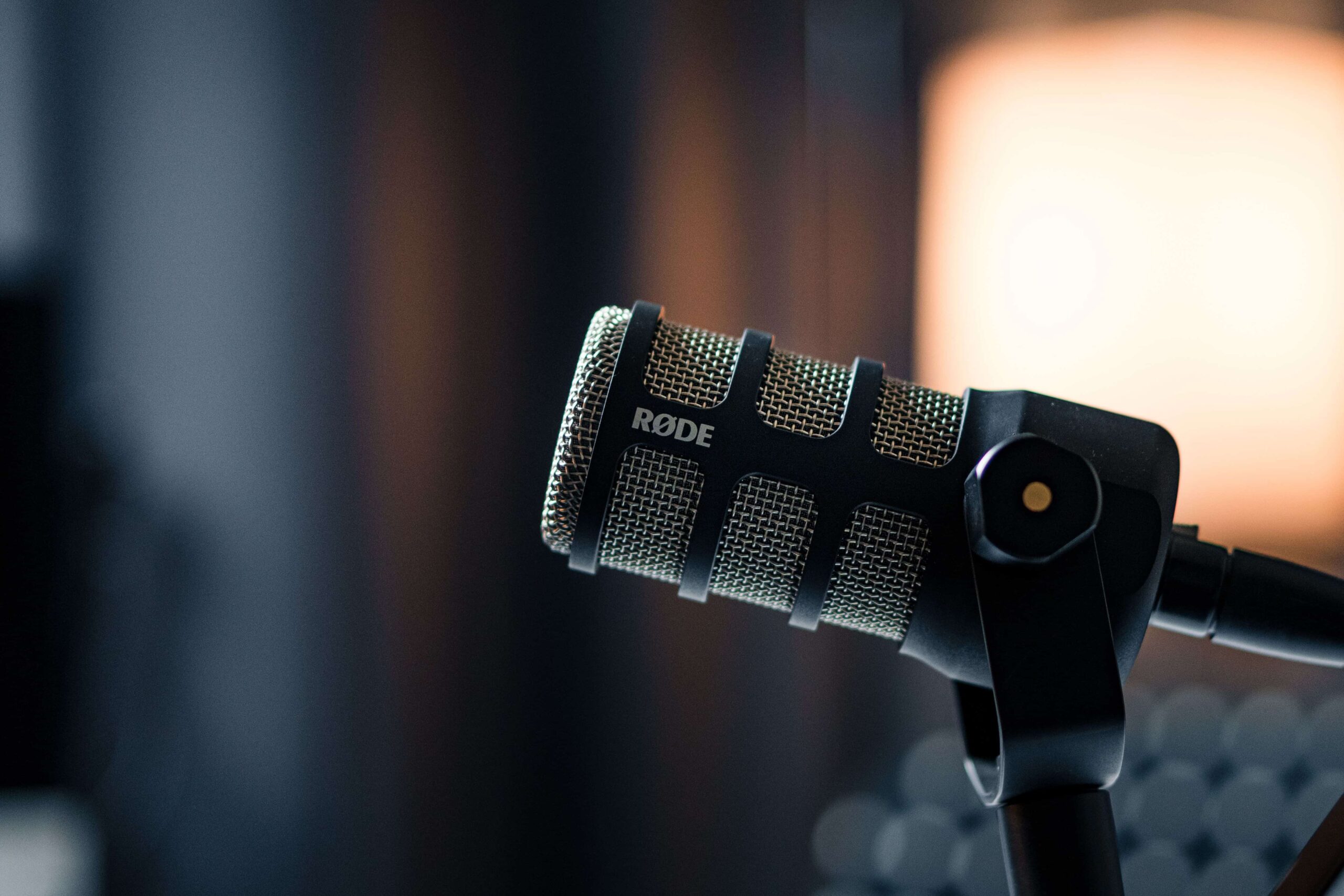
If you plan to speak on the air, you will need a microphone.
A USB microphone can be one of the simplest options for a new presenter because it connects directly to the computer.
Popular broadcasting and podcasting microphones include models such as the Audio-Technica ATR2100x and Samson Q2U.
Prices change, so compare current options rather than building your budget around one fixed number.
Headphones
Headphones help you monitor your audio and catch problems before they become distracting to listeners.
You do not need an expensive studio pair to get started.
Optional Audio Equipment
A mixer, audio interface, microphone arm, acoustic treatment, or other studio equipment may become useful depending on your setup.
They are not automatically required before your first broadcast.
Broadcasting Software
You need software that sends your audio to your internet radio hosting server.
Several free options can handle this job.
BUTT, which stands for Broadcast Using This Tool, is a straightforward live encoder.
Mixxx is useful for DJs who want mixing and broadcasting capabilities in one application.
More advanced applications such as SAM Broadcaster or RadioBOSS can provide additional automation, scheduling, and station-management features.
You do not need to begin with the most complicated software available.
Choose software that matches the way you actually plan to broadcast.
Internet Radio Hosting
Internet radio hosting is the infrastructure that receives your broadcast and delivers it to your listeners.
Hosting can also provide additional features such as station automation, storage, multiple DJ accounts, live recording, listener statistics, website tools, and other station-management features.
TTT Radio Network currently offers a Starter plan at $19.99 per month.
The Professional plan is $59.99 per month for stations that need additional capacity and features.
Additional options are available for stations that need more storage, services, branding support, or mobile-app capabilities.
You can review the latest options on the TTT Radio Network pricing page.
New customers can also begin with a 7-day free trial.
Music Licensing and Legal Costs
If you play commercially released music, you may have licensing obligations.
The exact licenses, organizations, reporting requirements, and costs depend on where your station operates, where your listeners are located, and the type of music service you provide.
Do not assume that your hosting fee automatically includes every music license your station may need.
Some broadcasters choose to use royalty-free music, properly licensed independent music, Creative Commons material, or direct artist permissions.
Always make sure the music you broadcast is covered by the appropriate rights for your particular use.
If you are unsure, seek qualified licensing or legal guidance for your jurisdiction.
How Do Internet Radio Stations Make Money?
There is no single business model that works for every station.
Most successful independent stations combine several smaller revenue streams rather than relying on only one.
Revenue Stream 1: Direct Sponsorships
A direct sponsor pays your station to reach your audience.
That may include:
Produced audio commercials
Host-read mentions
Sponsored shows or segments
Website placement
Mobile-app exposure
Social media promotion
The value of a sponsorship depends on your audience size, audience type, market, programming, engagement, and what you are offering the sponsor.
A small station with a clearly defined niche may sometimes be more useful to a local or specialized advertiser than a larger station with a poorly defined audience.
Your audience does not only need to be large. It needs to be understandable.
Revenue Stream 2: Listener Support
Some stations generate recurring income directly from listeners.
This may take the form of memberships, donations, supporter programs, or paid bonus content.
Platforms such as Patreon, Ko-fi, Buy Me a Coffee, and similar services can help manage recurring payments and supporter benefits.
Possible benefits might include:
Access to original archives you have the rights to distribute.
Bonus shows.
Early announcements.
Member-only events.
On-air recognition.
Behind-the-scenes content.
The percentage of listeners willing to pay varies dramatically, so do not build your financial plan around a guaranteed conversion rate.
Revenue Stream 3: Advertising
Stations can also sell advertising directly or explore third-party audio advertising services.
Programmatic advertising platforms can insert advertising based on available inventory and listener characteristics.
However, eligibility, minimum audience requirements, fill rates, and advertising rates vary by provider and market.
For a smaller station, direct local sponsorships may sometimes be easier to understand and control than relying immediately on programmatic advertising.
Revenue Stream 4: Events and DJ Services
Your radio station can help generate opportunities outside the stream itself.
A DJ may use the station to promote club appearances, weddings, private events, or other bookings.
A station may host its own events or partner with venues and promoters.
Community stations may work with festivals, organizations, local businesses, or cultural events.
In these cases, the radio station becomes part of the marketing engine for another revenue-producing activity.
Revenue Stream 5: Artist Promotion
Genre-focused stations may receive promotional interest from independent artists and labels.
If you offer paid promotional services, make the arrangement clear and transparent.
Do not promise guaranteed audience results or misrepresent paid promotion as independent editorial selection.
Your audience’s trust is more valuable than one short-term promotional payment.
Revenue Stream 6: Podcast and On-Demand Content
Original radio programming can sometimes be adapted into podcast or on-demand content.
Automatic live stream recording can make this easier by creating recordings of your shows.
An interview, discussion show, educational program, or original talk segment may work well as an on-demand episode.
But a recorded radio show is not automatically podcast-ready if it contains commercially released music.
Radio streaming rights and on-demand distribution rights can be different.
Remove or properly license anything you do not have the rights to redistribute in podcast form.
Revenue Stream 7: Merchandise
If your station develops a recognizable brand, merchandise can become another revenue source.
This could include shirts, hats, stickers, mugs, or other products connected to the station.
Merchandise tends to work best when listeners already identify strongly with the brand.
It is usually a result of community rather than a shortcut to creating one.
Revenue Stream 8: Website and Mobile-App Sponsorship
A station website and branded app can create additional sponsor inventory beyond audio commercials.
You may be able to offer logo placement, sponsored sections, featured promotions, or other advertising opportunities depending on how your platform is structured.
TTT Radio Network offers a radio station mobile app builder for broadcasters who want their own branded iPhone and Android app.
Depending on the station setup, the app can include live playback, branding, schedules, now-playing information, social links, contact options, and other listener-facing features.
A dedicated app can also give sponsors another place to reach the station’s established audience.
How Much Can an Internet Radio Station Make?
There is no reliable universal number.
Some stations earn nothing.
Some cover their monthly expenses.
Some become profitable side businesses.
Some become larger media brands with advertising, events, memberships, apps, sponsorships, and additional services.
The outcome depends on many factors:
Audience size
Audience engagement
Audience niche
Geographic market
Programming quality
Consistency
Sales ability
Sponsor relationships
Operating costs
Additional products and services
Anyone promising that a station with a particular number of listeners will automatically earn a particular amount of money is oversimplifying the business.
Your First Goal Should Be Audience, Not Revenue
A station has very little commercial value if nobody is listening.
Before focusing heavily on monetization, make sure the station itself is worth hearing.
Build consistent programming.
Create a recognizable identity.
Make the audio sound professional.
Keep your schedule updated.
Promote the station.
Learn which shows attract listeners.
Understand who those listeners are.
Revenue becomes much easier to discuss once you can clearly explain who your station reaches and why those people keep listening.
Define Your Audience Before You Approach Sponsors
A potential sponsor wants to understand who they are paying to reach.
“People who like music” is not a useful audience description.
A stronger description might be:
“Adults in Connecticut who follow ’90s and current R&B and regularly tune in to our weekend DJ programming.”
Or:
“Caribbean listeners interested in reggae, dancehall, community news, and local events.”
The more accurately you can describe your audience, the easier it becomes to identify businesses that actually want to reach them.
Create a Simple Media Kit
Before approaching sponsors, put together a basic media kit.
It can include:
Your station name and logo.
Your format.
Your audience description.
Your programming schedule.
Your available listener statistics.
Your website and social media information.
Your sponsorship options.
Your contact information.
Keep it clear and professional.
Do not inflate your statistics.
Accurate numbers from a smaller station are more useful than impressive-looking numbers a sponsor cannot trust.
Build Sponsorship Packages Around Value
You do not have to sell only 30-second commercials.
A sponsor package might combine several placements.
For example:
Audio mentions during a particular show.
A logo on your station website.
Placement inside your branded mobile app where appropriate.
Social media promotion.
Sponsorship of a contest or event.
Host-read messages.
The package should reflect what your station can genuinely deliver.
How to Start the Station
Step 1: Define Your Format
Decide what your station plays or discusses and who it is for.
This affects your programming, branding, marketing, and eventually your monetization strategy.
Step 2: Choose Your Hosting
Set up your internet radio hosting.
Your hosting provides the stream infrastructure your broadcasting software connects to.
Step 3: Configure Your Broadcasting Software
Connect BUTT, Mixxx, SAM Broadcaster, RadioBOSS, or another compatible encoder to your station.
Test the stream from another device before announcing your launch.
Step 4: Set Up Automation
Use station automation to keep programming available between live shows.
Upload music, recorded programming, station IDs, promos, and other audio you have the rights to broadcast.
Create playlists and schedule different programming throughout the day.
Step 5: Build Your Website
Your website gives listeners one place to find your stream, schedule, DJs, shows, social links, contact information, and station brand.
TTT Radio Network provides a Web Page Builder designed for radio stations.
Step 6: Promote the Station
Use social media, your existing network, community groups, partnerships, live events, and relevant radio directories to help people discover the station.
Directory requirements change, so check each platform’s current submission process before applying.
Step 7: Study Your Audience
Watch your listener statistics and pay attention to which shows, days, and promotions generate the strongest response.
Use that information to improve your programming and eventually your sponsorship pitch.
Step 8: Begin Monetizing Carefully
Once you have an audience worth reaching, begin testing revenue opportunities.
You may start with a local sponsor, a supporter program, an event partnership, or another opportunity that naturally fits your station.
There is no required month when monetization must begin.
Start when you have something credible to offer.
Do Not Build Your Business Plan Around a Fixed Revenue Timeline
One station may land a sponsor quickly because the owner already has strong local business relationships.
Another may need a year to build enough audience and credibility.
A niche station may have a small but highly valuable audience.
A larger general-interest station may have more listeners but struggle to find advertisers that are a strong fit.
That is why rigid formulas such as “you should earn $500 by month six” are not useful.
Your station should be measured against its own audience, market, expenses, and commercial opportunities.
Keep Your Operating Costs Under Control
Making money is only half of the equation.
Profit depends on what remains after expenses.
A station earning revenue but spending heavily on software, unused services, equipment upgrades, and unnecessary subscriptions may still lose money.
Start lean.
Add expenses when they improve the station or create a clear business benefit.
TTT Radio Network Gives You Room to Grow
TTT Radio Network provides the hosting and station-management tools needed to launch an internet radio station and expand it over time.
The current Starter plan is $19.99 per month.
The current Professional plan is $59.99 per month for stations that need additional capacity and features.
Additional options are available for more storage, additional services, branding support, and mobile-app capabilities.
You can review current options on the pricing page.
New customers can also begin with a 7-day free trial.
Can an Internet Radio Station Make Money?
Yes.
But there is an important difference between being capable of generating revenue and being guaranteed to generate revenue.
You still need a station people want to hear.
You need an audience you understand.
You need consistency.
You need commercial opportunities that fit that audience.
And you need to actively pursue those opportunities.
Build the audience first. Learn who they are. Then create revenue around the value you have actually built.
Visit tttradionetwork.com to learn more and start your 7-day free trial.
For questions about launching or growing your station, contact TTT Radio Network at info@tttradionetwork.com.
The opportunity is real. The income comes from building something valuable enough that listeners, sponsors, or customers choose to support it.